
Debt vs equity financing: what’s best for your start-up
April 27, 2024
Artificial Intelligence: Revolutionizing Industries and Nurturing the Next Generation
July 4, 2024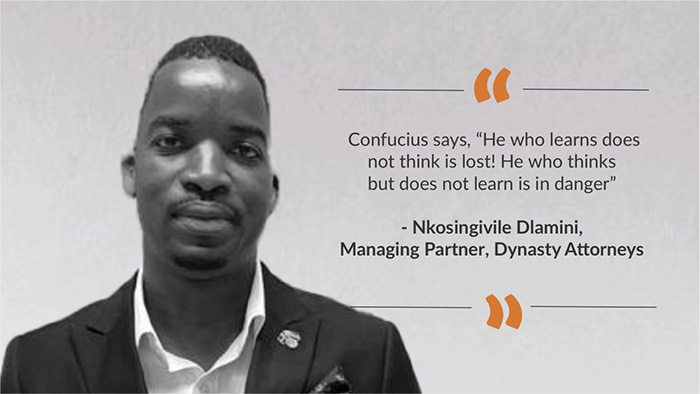
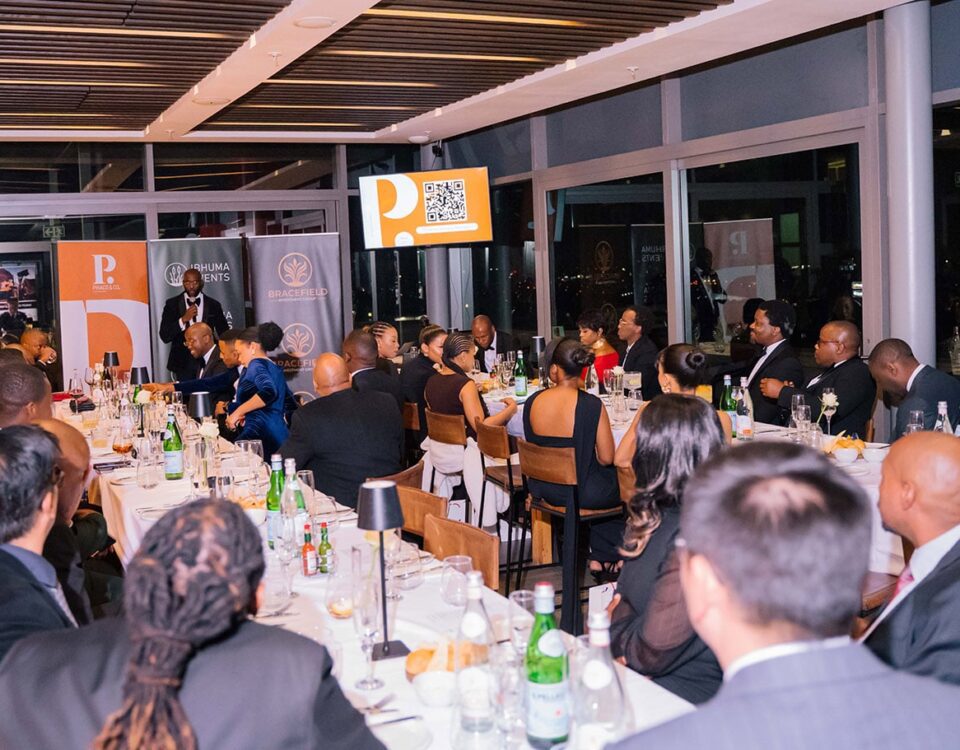
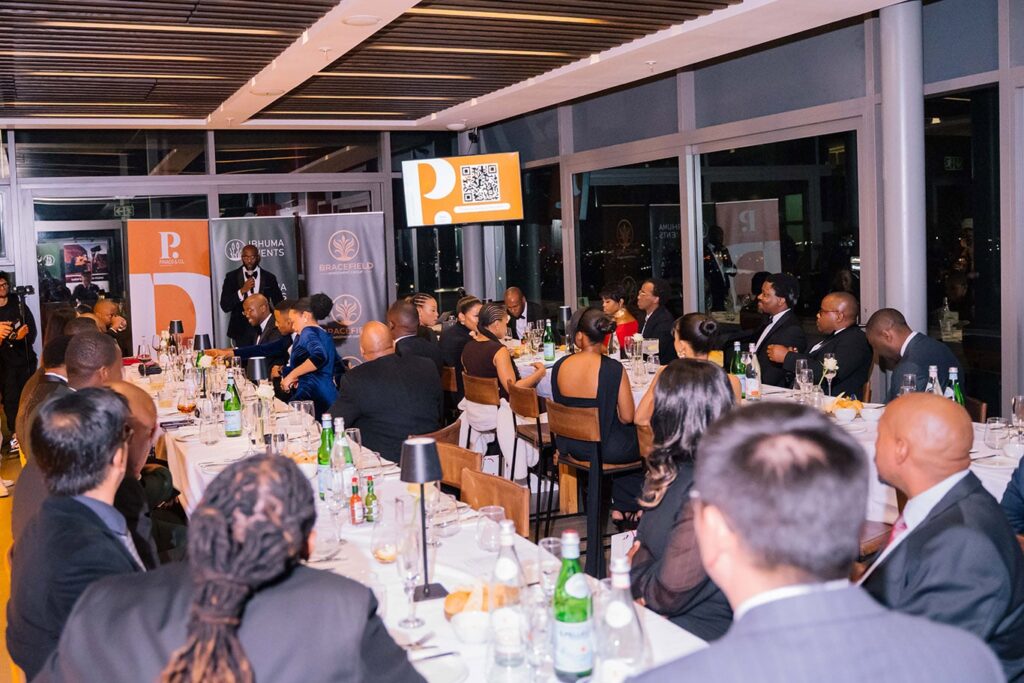
Yesterday, Pinaco & Co and Dynasty Attorneys, co-hosted a Webinar intended to equip Eswatini entreprenuers to identify, protect, and leverage their intellectual property.
The Oxford Dictionary definition of intellectual property is; a work or invention that is a result of human creativity, such as a manuscript or design, to which one has rights and for which one may apply for a patent, copy right or patent.
Nkosingivile Dlamini, Managing Partner at Dynasty Attorneys, presented on the importance of intellectual property protection in Eswatini. He expressed the need to not only acquire knowledge but also apply it, a concept he attributed to Napoleon Hill. His presentation provided an overview of the three classes of intellectual property: trademarks, copyrights, and patents.
“In its simplest form a patent protects new inventions, processes or scientific creations whilst a trademark protects brands, logos or slogans. A copyright on the underhand protects original works of authorship,” Dlamini stated.
Intellectual Property Protection in Eswatini and South Africa
Copyrights in Eswatini are regulated by the Copyright & Neighbouring Rights Act No. 4 of 2018. This act came into effect on the 1st August, 2021. The Copyright Act establishes the Copyright office as well as the Copyright and Neighbouring Rights Society of Eswatini. The Copyright and Neighbouring Rights Society of Eswatini has also been established and it is also working on the tariffs and other administrative work that needs to be put in place before applicants are allowed to register for membership with the organisation.
“It is because of these systems that are being put in place that are copyright registration in the country is not yet effective except for the fact that copyrights registered in other countries are recognised in the country under the Paris Convention, ARIPO and WIPO which Eswatini is a member of. For instance, South African copyrights which are in force in South Africa may be extended to cover Eswatini,” Dlamini explained.
Patents are regulated by the Patents, Designs & Trademarks Act of 1936. This act sought to protect patents that were existing in the United Kingdom and South Africa. As a result British patents are automatically effective in Eswatini. South African patents on the other hand, which are in force may be extended in Eswatini and are due for renewal according to the renewal regulations in South Africa.
In Eswatini trademarks are governed by the Trademarks Act of 1981. Registration of trademarks is done under the Ministry of Commerce in Eswatini with the office of the Registrar of Trademarks established under Section 4 of the Act.
Trademark registration process
Dlamini explained that the process of registering a trademark commences with a trademark search, followed by a classification determination and a quotation preparation. After the client pays and signs a power of attorney, the agent submits the application with proof of payment and the required form. The registrar then examine the application and, upon approval, issues a notice of acceptance, requiring an advertisement. The registration certificate is subsequently issued and the trademark is valid for a minimum of 10 years, with a renewal option. This registration process usually takes 3 to 6 months, but can take up to a year. Dlamini encouraged entrepreners to register a trademark under South African law, highlighting that it is relatively inexpensive and is crucial for safeguarding a brand.
Intellectual Property Protection in Creative Industries
Entreprenuers had an opportunity to ask questions during the question and answer session moderated by Thembela Msibi. Fezile from the media and creative arts industry enquired about the protection of intellectual property, specifically in content creation. In response, Dlamini clarified that trademarks and copyrights are the key ways to safeguard intellectual property in creative sectors. “It is imporant to define the unique activities or creations that a trademark or copyright to ensure adequate protection.” Speaking on the importance of copyright protection in the music industry, he explained that the use of copyrighted music without permission or fair compensation was against the law and stressed that music is a crucial factor in attracting customers to establishments, thus its owners should be compensated.
Trademarking Costs and Protecting Innovations
The fee is determined by the number of classes and is governed by tariffs. The cost is equal for both local and international trademarking. Participants were advised to get patents for their innovative system before pitching it to potential clients to protect it from being stolen or used without permission. Thembela sought clarification on the documentation process and was advised to consult a lawyer to ensure the contracts are legally binding and effective. Nkosingivile also stressed the importance of supporting young, passionate lawyers and law firms to contribute to the country’s development.
Copyright Registration and Advisor Roles
Thobile from the Royal Science and Technology Park asked about the potential costs and charges associated with copyright registration and the role of advisors in these processes, particularly for small businesses. Nkosingivile clarified that the fees he shared, including lawyers’ fees, were the highest possible scenario and that the Copyright Society of Eswatini, established by an Act, would regulate and assist with these processes.
Thobile raised concerns about the potential misuse of business ideas presented to Innovation Hubs, particularly regarding the copyright and protection of original ideas. Dlamini responded by acknowledging the issue and explaining that the current legislation does not fully protect original ideas due to the lack of a formal instrument identifying the owner of an idea. He also mentioned ongoing discussions with the corporate copyrights society and the education sector, as well as the differing views on the issue. There is a similar problem with artists’ works being bought and used by others without due compensation.
Protecting Ideas Legally: Documentation, Registration, and Legal Advice
Siphiwo sought clarification on the legal protection of ideas, specifically regarding the practice of documenting and emailing ideas as evidence. Nkosingivile explained that while this practice may offer some legal protection, it may not be enough to prove ownership in court. He encouraged entreprenuers to register and protect their ideas for legal enforcement. .
Dlamini concluded his presentation with words of Confucius, “He who learns does not think is lost! He who thinks but does not learn is in danger”
Click on this link to watch Webinar recording.