
Senate President calls for trade without borders
May 25, 2025
Why Venture Capital Matters for Eswatini
June 22, 2025
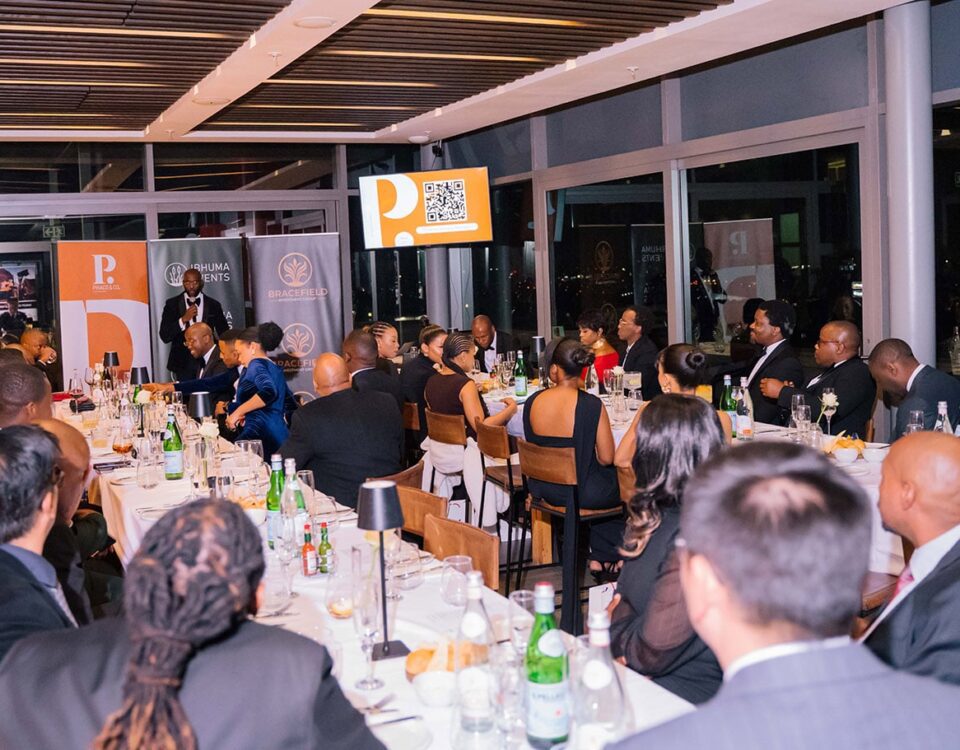
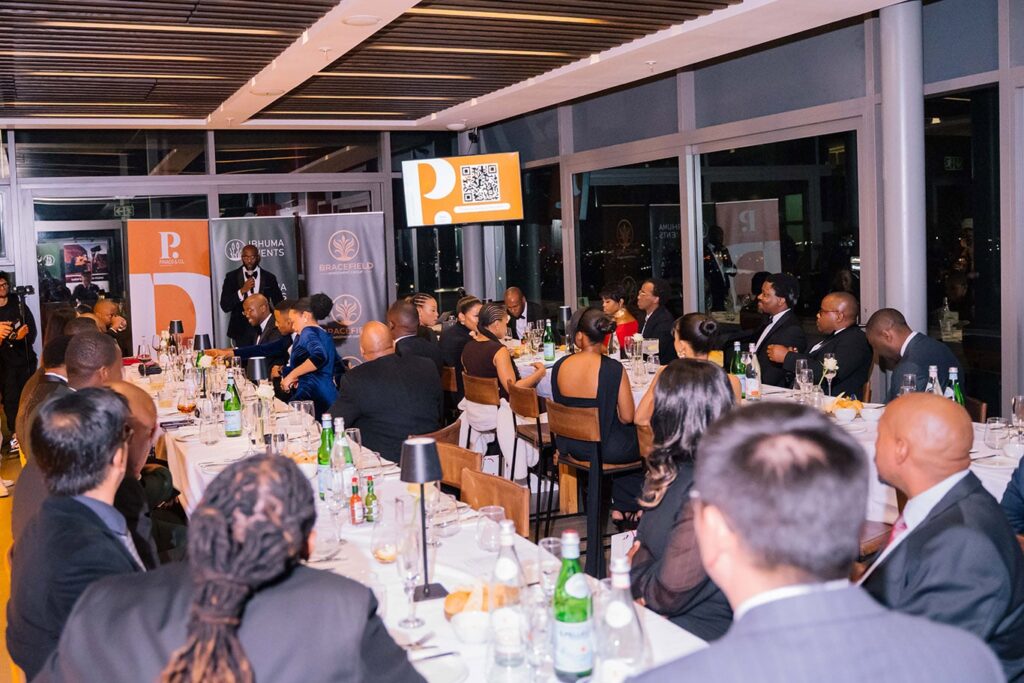
“Don’t wait for capital – build something so valuable it attracts capital. Leverage digital tools to scale that vision across the continent,” Senate President, Honourable Lindiwe Dlamini, implored guests of the Ibhuma Business Dinner hosted by Bracefield Investment Group and Pinaco & Co last Saturday.
“This is your economy to shape, your market to disrupt, your moment to lead. Think Pan-African. Build brands that move from Manzini to Maputo, Mbabane to Mombasa- and across all 54 AfCFTA member states.”
The Senate President expressed her gratitude to institutions like Afreximbank, the African Development Bank, and others who continue to unlock capital for infrastructure, trade finance, and SME growth across the continent.
“But let us be clear – access to capital remains one of the greatest barriers to scaling SMEs, particularly for women and youth-led ventures that are rich in ideas but often excluded from traditional financing models,” she said.

In South Africa alone, SMEs represent more than 98% of businesses, employ up to 60% of the labor force, and contributing to more than one third of the country’s GDP.
“Imagine the transformative impact if we expanded their access to capital, markets – and digital tools,” she said, noting that digital inclusion is no longer a luxury – it is an economic necessity. From mobile money to e-commerce, digital platforms are the great equaliser in today’s trade ecosystem yet millions of entrepreneurs in rural areas – especially women – still face digital exclusion due to lack of access, connectivity, or digital skills.
“To unlock the full potential of AfCFTA,” the Senate President advised, “we must invest in digital infrastructure, affordable data, and capacity-building – so that no young entrepreneur is left behind.”
Women Entrepreneurs: Backbone of Our Economies

The Senate President holds a strong view that we cannot speak of inclusive growth if women are not at the centre in policy, procurement, and trade.
In South Africa, approximately 38% of SMEs are women-owned, yet women constitute over half of the population. This disparity highlights both the challenges and the immense untapped potential of women entrepreneurs.
In Eswatini, women lead 56% of SMEs, predominantly in the informal sector. While this showcases their entrepreneurial spirit, it also underscores the need for greater support to transition these businesses into the formal economy.
“Women are often the backbone of our economies, reinvesting up to 90% of their income into their families and communities. Their success is not just personal—it’s national,” she said.
Championing the AfCFTA Protocol on Women and Youth

The AfCFTA Protocol on Women and Youth is a groundbreaking initiative that aims to address the unique challenges faced by women entrepreneurs, including access to finance, markets, and information. It is a commitment to ensuring that women are not left behind in Africa’s economic integration.
Calling for women-led entrepreneurship, the Senate President said, “I stand as a champion for women entrepreneurs. I pledge to advocate for policies that support women-led businesses, ensure their inclusion in trade agreements, and provide them with the resources they need to thrive. Eswatini and South Africa must collaborate on women-led export consortia – brands that tell our story and scale our impact. By empowering women entrepreneurs, we empower entire communities and drive sustainable economic growth.”
“Let us leave here with new partnerships, co-investments, and joint ventures that move beyond talk into transformation. Africa is not waiting for permission. And neither should you. Let’s build, let’s trade, and let’s lead – together.”