
Possible Funding Options for Startups
July 21, 2023
Amassing E1bn is an Achievable Dream – His Majesty King Mswati III
July 31, 2023
“When you know and understand what you were born to accomplish,” the late Dr Myles Munroe wrote, “that is purpose but when you can see it in your mind by faith and begin to imagine it, that is vision”. A good leader asks vision questions. Given a chance to address Eswatini’s cabinet, the one question I would ask is “When you imagine Eswatini half a century from now, what do you see?”
To me, this is a vision question. Vision questions are leadership questions. The country’s leadership has pronounced Eswatini’s aspiration to have an “export- oriented and private-sector led economy” and I think it is a great vision. Great leaders lead with great visions. One of Eswatini’s finest and most prolific leaders, Dr. Phil Mnisi, recently coined this quote, “Leadership is about vision, people first, focus, taking measured risks, delivering on outcomes and being sustainable in a competitive and uncertain world”. What a perspective! If I have seen any further, it is because I am standing on the shoulders of giants like him.
Heading to former US President, John F. Kennedy’s call, “Ask not what your country can do for you – ask what you can do for your country,” I challenged myself to ask what I could do for Eswatini; what I will be remembered for when I die.
It was only a decade ago when I first had the vision of an unique initiative for intelligent young people – what I have now come to know as innovation hubs or accelerator labs. I was doing my second year at university with very limited global exposure, and did not yet know this vision was for an appointed time. I remember leading a team of 15 intelligent university students I called Great Young Minds (GYMs) that consisted of an actuarial scientist, an animator, lawyer, accountant, public relations practitioner, marketer, agricultural technologist and other professionals.
As I walked in the corridors of the University of Eswatini (UNESWA) pursuing “the American dream” in Africa, I would be approached by students who wanted to be part of this “next big thing” that everyone was talking about. I remember one instance when a student was recommended to me because she had 4 A* after word had spread that you needed to have A* to join GYM. You won’t believe this, but I would welcome any smart student who wanted to join GYM and would give them a position until we had a big organisational structure shared below.
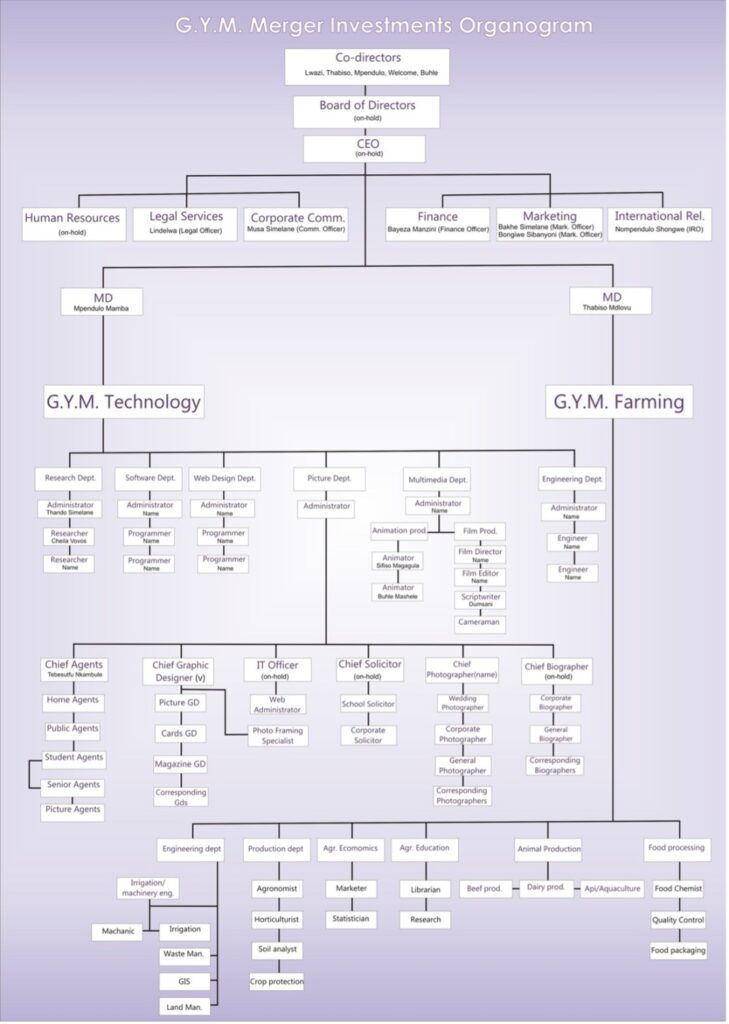
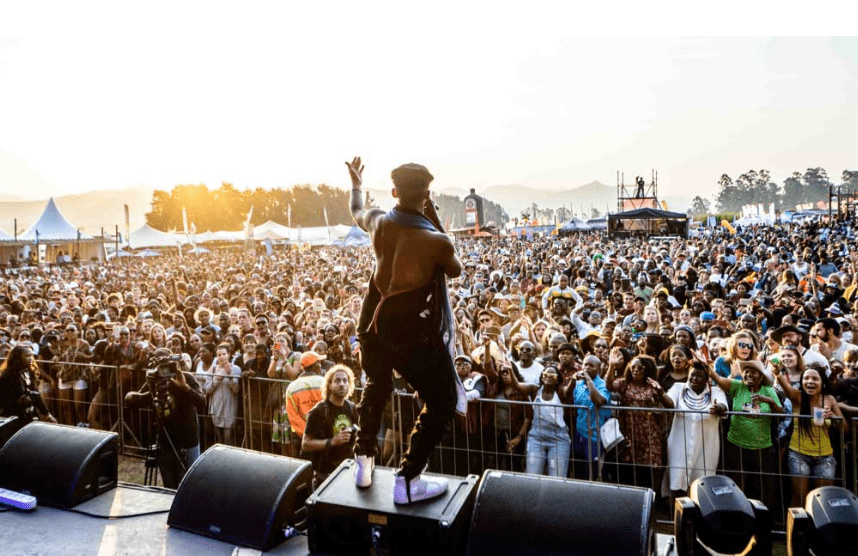
I had no idea what I was doing but whatever it was, it worked, and students wanted to be part of it. One of the big ideas we pursued was a Photobooth which we excitedly pitched to Jiggs Thorne, Co-Founding Festival Director of the internationally renowned MTN Bushfire Festival, and Standard Bank’s Luju Food & Lifestyle Festival. We wanted to be the first to bring a Photobooth to Eswatini. Jiggs liked the idea, encouraged us to pursue it and supported us by giving us a stall at a very low fee.
What would later become my greatest tragedy that attracted death threats, began with our failure to secure the E30, 000 funding we needed to purchase the Photobooth. We knocked on several doors including the Eswatini Development Finance Corporation (FINCORP) and the outgoing Minister of Commerce, Industry and Trade, MANQOBA “MK” KHUMALO‘s door, but were we lucky? I wish we were. Seeing that the Bushfire Festival was getting closer by day and we had failed to secure the capital, we had to quickly come up with a Plan B.
I had read that “God can take Plan B and make it better than what Plan A would have been” and I hoped God would show up. In fact, I desperately needed him to do so.
I went to present the business idea to two creative multimedia lectures who suggested Photoshop as our Plan B. We swiftly changed the Photobooth idea to making portraits of celebrity artists and their fans. Our problem statement was simple, “Bushfire artists can’t take pictures with all their fans but with photoshop fans can take one with their favourite artist.” We simply had to request an artist to take one festival picture and leave the rest to us. This makes sense, right? Wrong! Theoretically it was a brilliant idea, practically it didn’t work.
Three disasters hit me simultaneously; I had an exam to write on the week of the festival, an impractical idea to pull off and E5, 000 I lost to a failed business idea. To top things off, I had salaries to pay. I didn’t know how I would explain to my dad how I lost the E5, 000 I had borrowed from him – let alone the additional E3, 000 I was owing the designers who wanted their money even though we ended up cancelling everything. I was only a university student and didn’t know where I would get the money I promised them. They didn’t care. One of them started making death threats and I had no choice but to seek police protection.
Not only did the police act swiftly in stopping the threats but my superhero dad also came to my rescue. I remember his exact words, “Tell the guy who is threatening you to never call you again. From now on, he deals with me. No one touches my son.” You see, these words aren’t just words; they are love in action – the unconditional love God showed to humanity through his son.
My dad never shouted at me or blamed me for losing the money, but he encouraged me, protected me and made sure I never doubted my vision. He would even come to the university to attend some GYM meetings just to support me. How I wish every entrepreneur had a support system like I did in my first business. Looking back, I can proudly say my late dad is a hero; my hero. If I have seen any further, it is because I am standing on the shoulders of giants like him.
A year later, I got an opportunity to intern at the Central Bank and the first thing I did when I got paid was to settle my E3000 debt which was my whole salary! It didn’t matter. That was the tuition I paid for my first business lesson. Every successful entrepreneur I know has had to pay a price. A decade later, I’m still paying tuition for business lessons, the most recent being a failed business partnership that cost me more than E130, 000. Should I give up? No. Will I ever give up? You answer that one for me.
As an entrepreneur, I know how it feels to fail. I know how it feels to lose. I know how it feels to be embarrassed. I also know how it feels to win! I’m yet to know how it feels to win big. It is hard being an entrepreneur and it gets harder when you have a big vision. Here’s what I have learnt about a vision, “though it tarries, wait for it. It will surely come. It will not tarry.”
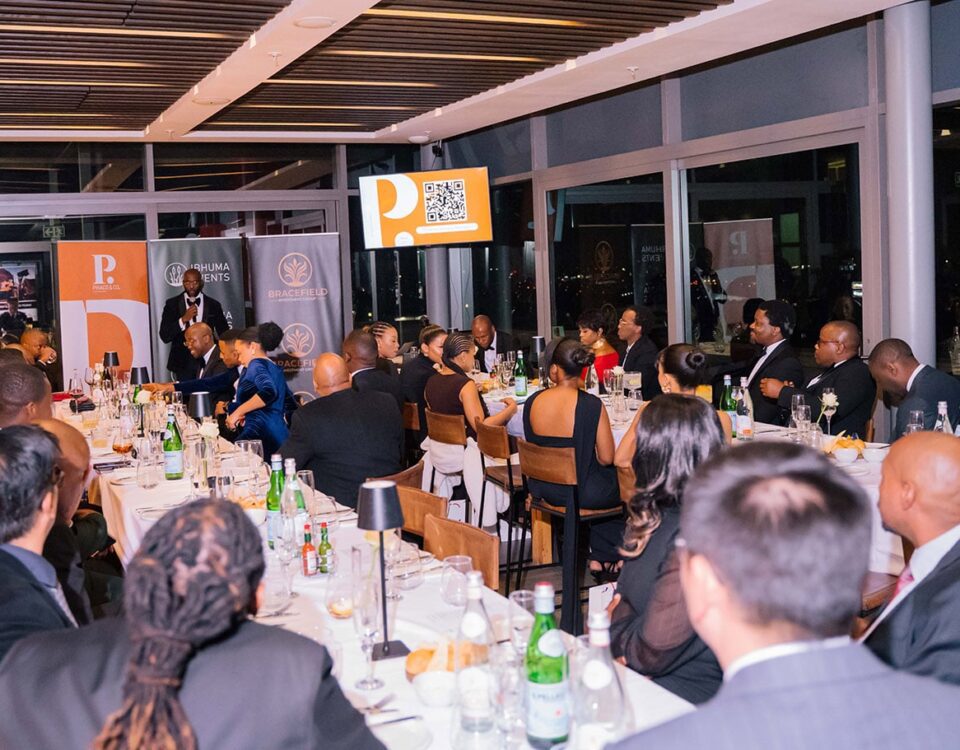
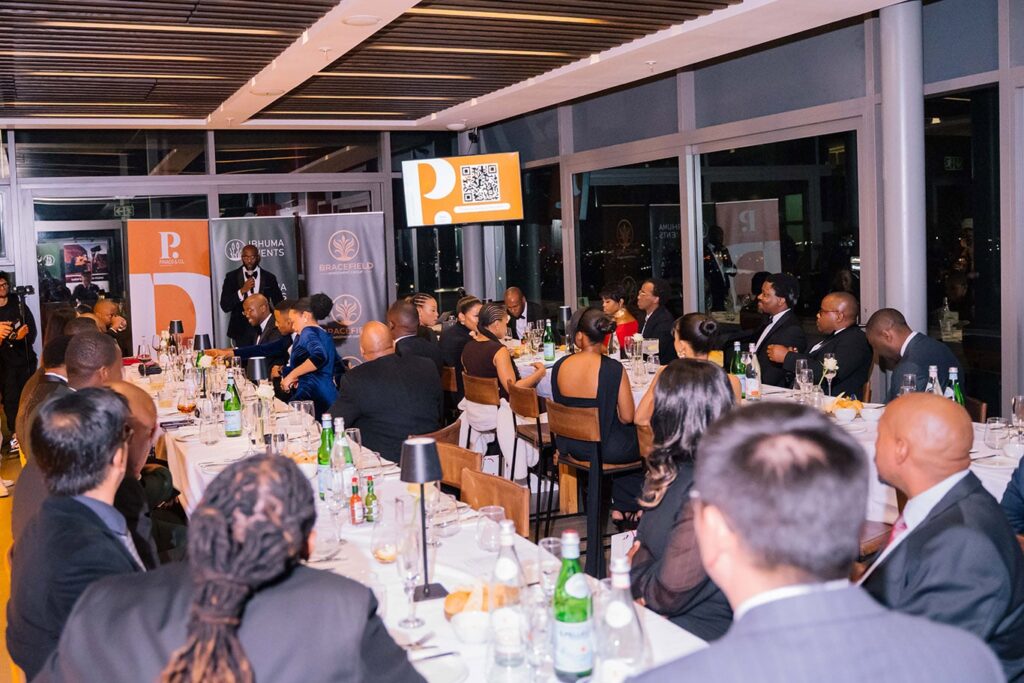
I’m not just writing articles about my vision to see the launch of Eswatini’s unicorn but I’m on the ground toiling the soil for Eswatini start-ups, alongside other players, and enablers. This Thursday, my start-up, Pinaco & Co in Partnership with GoGetta will be hosting an Investor Pitch Deck Webinar curated for entrepreneurs seeking to raise capital, forge partnerships and communicate their business idea to potential investors. Click here to register.
In addition, I’m meeting executives from Startup Genome and StartupBlink and inviting these global players to the table to discuss how we can use data to create basis for a global investment case for the country’s start-ups. Not only that, but I am also in serious conversations with South African-based venture capital firms, challenging them to collaborate with our start-up ecosystem. I’m also actively engaging Eswatini Investment Promotion Authority to do likewise.
Personalising the “cabinet question”, what do I see Eswatini achieving in the next half a century? I see the launch of Eswatini’s first unicorn. I see Eswatini’s start-up ecosystem maturing after the country successfully conducts start-up ecosystem assessments, develop and implement start-up ecosystem strategies, periodically publish start-up ecosystem reports and fully implement the country’s Investor Protection Framework. I see Pinaco & Co becoming the source of key data that drives and attracts investments into the start-up economy in Eswatini. I see venture capital funding flowing into Eswatini in hundreds of millions to help build large businesses owned by great young minds. I see vibrant domestic financial markets that allow start-ups to raise funding.
Ultimately, I see Eswatini becoming an export-oriented and private-sector led economy whose people have a decent living and are prospering as their soul prospers.
You know who else imagined the future? Martin Luther King Jr. when delivering his “I have a dream speech” and Walt Disney when he had the vision of Disneyland. Now, it’s your turn, what do I see Eswatini achieving in the next half a century?
Note: The term “unicorn” refers to a privately held startup company with a value of over US$1 billion. It is commonly used in the venture capital industry.